


WHAT'S HAPPENING
For details about events, please see our weekly bulletin.

🎉St. Bernard’s is excited to celebrate our graduating high school seniors at the 5:00 PM Mass on May 31st! At the conclusion of Mass, all seniors will receive a copy of the Catechism of the Catholic Church as a gift from our parish community.
🌟We will also recognize seniors who have generously shared their time, talents, leadership, and service within St. Bernard’s over the years.
🎓If you are a graduating senior or the parent of one, please fill out this form so we can celebrate your senior and ensure no one is missed!
🔍 Are you looking for the next step in your career? Do you love people and want to foster intentional, Christ-centered relationships among our parishioners? Then consider joining our team!
⛪ Coordinator of Relationship Ministry
🗓️ Apply by Sunday, May 31st
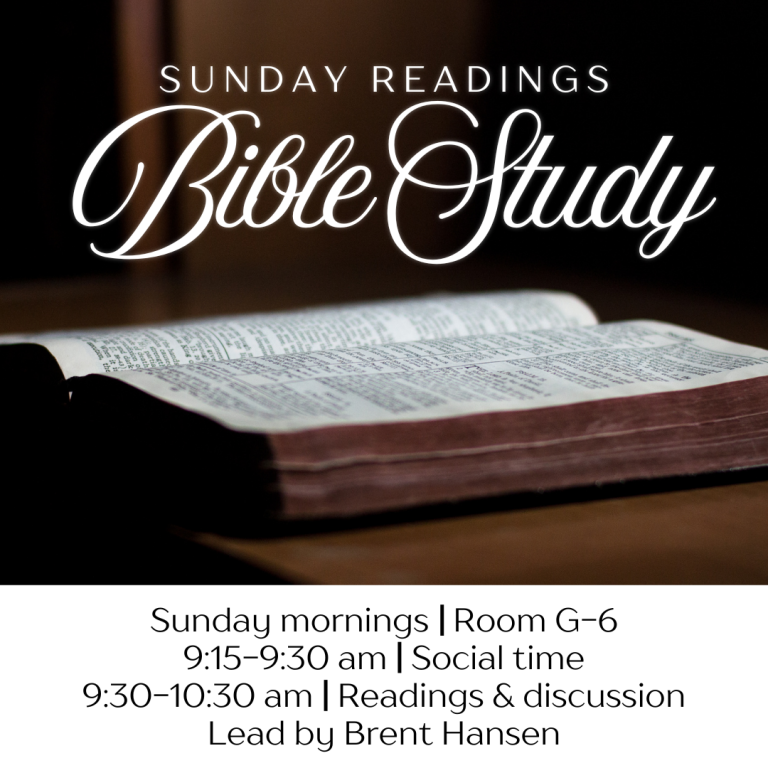
📖 Break open the Sunday readings, dive into Scripture, share insights, and enjoy great conversation & coffee ☕!
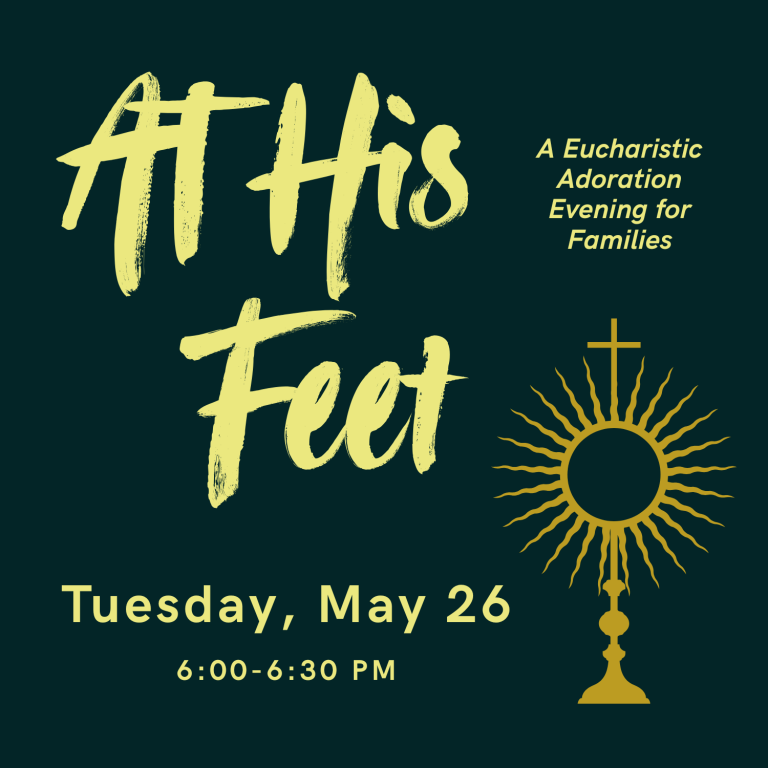
✝️ Encounter Jesus together as a family! Join us for a night of Eucharistic Adoration with music, prayer, and gentle space to just be with Him. 🧒🏻 Bring your children. ❤️ Bring your hearts. No pressure, no perfection — just presence.


Welcome to St. Bernard’s! I hope you will find a genuine spiritual home with us. Be assured that the staff members and I will do whatever we can to help you get involved in the life of your new parish. If you have not already done so, please drop by the office to visit with us. We would be happy to answer any questions you may have about the parish and its programs. Please feel free to call if you wish to speak to us about your concerns or have any suggestions for improving our parish life. Fr. Shane and I would gladly accept an invitation to your home to bless it or to share a meal with you as your schedule permits. We are glad you are here. -Rev. Jack Gleason, Pastor
"Then Jesus approached and said to them,
'All power in heaven and on earth has been given to me. Go, therefore, and make disciples of all nations, baptizing them in the name of the Father, and of the Son, and of the Holy Spirit, teaching them to observe all that I have commanded you. And behold, I am with you always, until the end of the age.'"
Matthew 28:18-20 - The Great Commission
MASS TIMES
Weekend Masses
Saturday Vigil | 5:00 pm
Sunday | 8:00 am, 11:15 am, & 5:00 pm
(Mass times may vary on holidays)
The nursery is available during the four weekend Masses for children 4-years-old and younger. Space is limited.
The Holy Rosary is prayed publicly thirty (30) minutes before all Sunday Masses except the 5:00 pm Sunday Mass.
 If you or a loved one need hearing assistance for Mass, please visit the Welcome Center for an instructional card to help you connect to the sound system.
Daily Masses
Monday-Saturday | 8:30 am in the main church
Wednesday | 6:00 pm in the main church
Adoration of the Blessed Sacrament
Monday-Friday | 9:00 am - 8:00 pm in the Good Shepherd Chapel
Confessions
Saturday | 3:30 - 4:45 pm
Sundays | Thirty (30) minutes before each Mass.
(Penance services are conducted during Lent and Advent)
OFFICE HOURS
(918) 299-9406
Monday-Friday | 9:00 pm - 5:00 pm
Saturday | Closed
Sunday | Closed
REQUEST PRAYERS
Are you or a loved one struggling and need the Body of Christ to lift you up in prayer? We would love to pray for you! Please click here to submit a prayer request to our parish prayer line.
Weekly reading
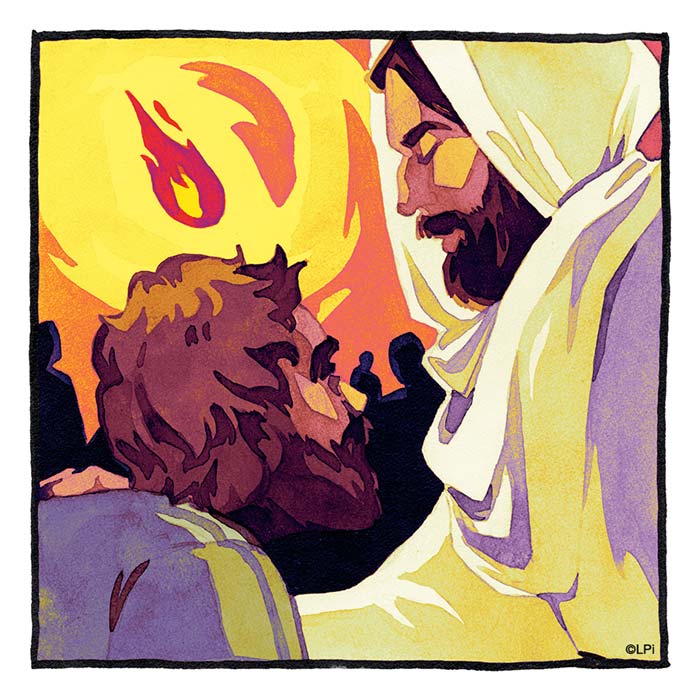
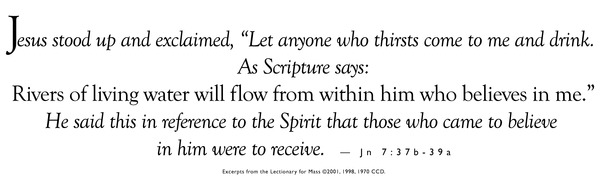
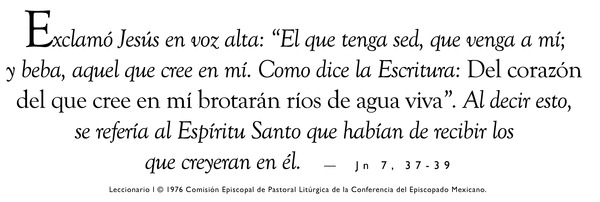
Readings for the week of May 24, 2026
- :
- Sunday: Vigil: Gn 11:1-9 or Ex 19:3-8a, 16-20b or Ez 37:1-14 or Jl 3:1-5 / Ps 104:1-2, 24 and 35, 27-28, 29b-30 / Rom 8:22-27 / Jn 7:37-39 or, for the Extended Vigil: Gn 11:1-9 / Ex 19:3-8a, 16-20b / Ez 37:1-14 / Jl 3:1-5 / Rom 8:22-27 / Jn 7:37-39 (see Lectionary for Mass Supplement, 62) Day: Acts 2:1-11 / Ps 104:1 and 24, 29-30, 31 and 34 / 1 Cor 12:3b-7, 12-13 / Jn 20:19-23
- Monday: Gn 3:9-15, 20 or Acts 1:12-14 / Ps 87:1-2, 3 and 5, 6-7 / Jn 19:25-34
- Tuesday: 1 Pt 1:10-16 / Ps 98:1, 2-3ab, 3cd-4 / Mk 10:28-31
- Wednesday: 1 Pt 1:18-25 / Ps 147:12-13, 14-15, 19-20 / Mk 10:32-45
- Thursday: 1 Pt 2:2-5, 9-12 / Ps 100:2, 3, 4, 5 / Mk 10:46-52
- Friday: 1 Pt 4:7-13 / Ps 96:10, 11-12, 13 / Mk 11:11-26
- Saturday: Jude 17, 20b-25 / Ps 63:2, 3-4, 5-6 / Mk 11:27-33
LET'S CONNECT!
 |
 |
 |
 |

NEW MOBILE APP
(Click images below to download)


SECURE ONLINE GIVING
Please click on the image below to give. Thank you for your continued generosity!
